
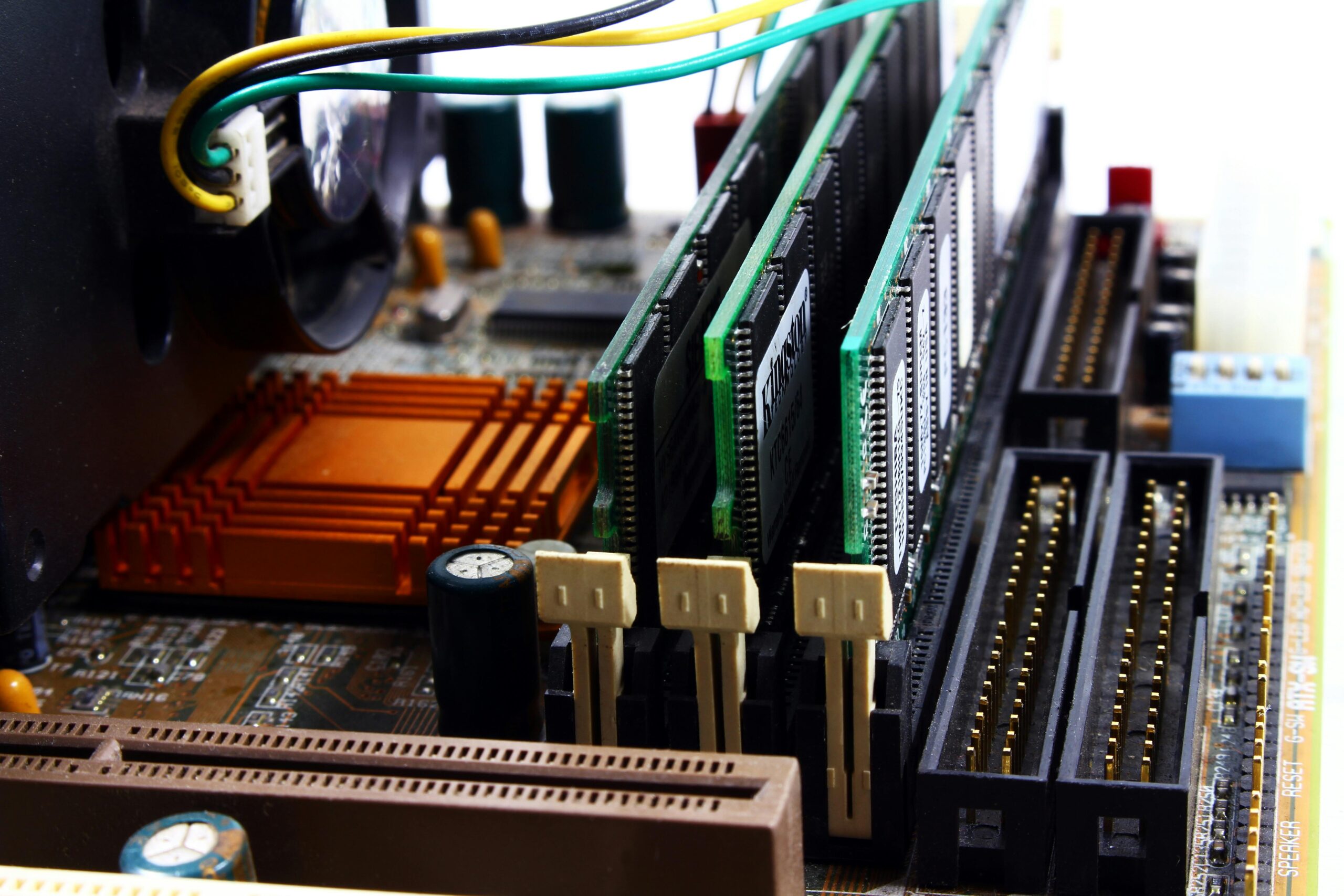

Budget Streaming PC Build Guide
Introduction
Building a budget streaming PC is more achievable today than ever before. Thanks to efficient processors, affordable dedicated GPUs, and powerful software encoders, you can create a high‑quality streaming setup capable of broadcasting games, creative content, or live sessions without breaking the bank. This guide will walk you through the best components to choose, how to allocate your budget efficiently, and how to assemble a system that balances performance and cost. Whether you’re streaming on Twitch, YouTube, Kick, or Facebook Gaming, you will find this comprehensive guide useful for preparing a professional-grade setup on a budget.
This article includes component recommendations featuring affiliate placeholders {{AFFILIATE_LINK}}, internal reference links {{INTERNAL_LINK}}, and detailed explanations to help you make informed decisions. By the end, you will have a complete and optimized build ready for smooth 720p, 900p, and 1080p streaming depending on your chosen configuration.
Why Build a Budget Streaming PC?
Streaming has become more accessible, but the cost of high-end PCs can be intimidating. Fortunately, a budget streaming PC is not only possible but practical thanks to modern hardware improvements. The ability to stream and play games at the same time used to require expensive hardware configurations with powerful CPUs and dedicated encoders. However, advancements in GPU-based encoders (NVENC, AMF), CPU multi-core performance, and efficient RAM utilization make entry-level setups more than adequate for beginner and intermediate streamers.
Additionally, many streamers prefer to start with a modest investment and scale up as their channel grows. A budget-friendly system helps you focus on learning content creation, refining your style, and building your audience without unnecessary financial pressure.
Budget Streaming PC Build List
Below is the recommended build list for a budget streaming PC. These components prioritize affordability, encoding efficiency, and smooth gameplay. Links are represented with placeholders that can be replaced with real affiliate URLs when needed.
Processor (CPU)
The CPU is responsible for game logic, background tasks, and software encoding. In budget builds, finding the right balance between high single-core performance and reasonable core counts is essential.
Recommended: AMD Ryzen 5 5600 or Intel Core i5‑12400.
Buy here: {{AFFILIATE_LINK}}
Graphics Card (GPU)
The GPU handles rendering your game and, with the help of hardware encoders such as NVENC or AMD AMF, manages your streaming encoding without placing excessive stress on the CPU. A budget-friendly GPU still provides excellent encoding performance and good gaming frame rates.
Recommended: NVIDIA GTX 1660 Super or RTX 3050.
Buy here: {{AFFILIATE_LINK}}
Memory (RAM)
Streaming requires plenty of memory overhead. Running OBS, browser tabs, plugins, game clients, and overlays all at once can become demanding. For a smooth streaming experience in 2024 and beyond, 16GB is the minimum and 32GB is highly recommended if your budget allows.
Recommended: 16GB DDR4 3200MHz (2x8GB kit).
Buy here: {{AFFILIATE_LINK}}
Storage
Fast storage significantly improves boot times, game loading, and responsiveness while managing stream assets. SSDs, especially NVMe drives, are now affordable enough to include in any budget build.
Recommended: 500GB NVMe SSD for OS and apps, optional 1TB HDD or SSD for game storage.
Buy here: {{AFFILIATE_LINK}}
Power Supply (PSU)
A reliable power supply protects your investment and ensures system stability under load. Avoid ultra-cheap units and choose something with solid efficiency ratings.
Recommended: 500W–600W 80+ Bronze certified PSU.
Buy here: {{AFFILIATE_LINK}}
Motherboard
The motherboard ties your system together and should include enough ports, expansion options, and compatibility for future upgrades. Budget boards can still offer strong reliability.
Recommended: B550 motherboard for Ryzen or B660 motherboard for Intel.
Buy here: {{AFFILIATE_LINK}}
Case
The case should offer good airflow and space for future upgrades. Even low-cost cases can include mesh fronts, multiple fan positions, and clean cable management layouts.
Recommended: Budget mid‑tower case with mesh airflow front panel.
Buy here: {{AFFILIATE_LINK}}
Budget vs. Mid‑Range Streaming Builds
Understanding the difference between a budget and mid-range streaming build helps clarify expectations. Below is a comparison table to highlight these differences.
| Feature | Budget Build | Mid‑Range Build |
| CPU | Ryzen 5 5600 | Ryzen 5 7600 or Intel i5‑13400 |
| GPU | GTX 1660 Super | RTX 3060 or RX 6700 XT |
| RAM | 16GB | 32GB |
| Encoding Quality | Good (NVENC/AMF) | Excellent (NVENC AV1/HEVC) |
| Best Streaming Resolution | 720p–1080p | 1080p–1440p |
| Upgrade Path | Moderate | High |
How to Allocate Your Budget Efficiently
When assembling a cost-effective streaming PC, you must decide where to spend the majority of your budget. Streaming requires both CPU and GPU power, but entry-level GPUs today provide excellent hardware encoding quality, making it easier to invest more heavily in the GPU while leaving the CPU to handle gameplay. Ideally, a balanced split between CPU and GPU ensures flexible performance across various game titles.
Priority Component Breakdown
- GPU: 35–40% of total budget
- CPU: 25–30% of total budget
- RAM: 10–15% of total budget
- Storage: 10% of total budget
- PSU & Case: 10–15% of total budget
This breakdown ensures that you have a capable setup for streaming while also leaving room for additional investment into peripherals such as microphones, webcams, or capture cards (if console streaming is part of your workflow).
Setting Up Your Budget Streaming PC
After selecting and purchasing your parts, assembling your streaming PC is the next step. Building a PC is not as complicated as it may seem, and thousands of first-time builders successfully assemble systems each week. The key is patience, careful handling, and following clear instructions for each component.
1. Install the CPU
Carefully align the CPU with the socket markers and drop into place without force. Once secured, lock down the retention arm.
2. Install RAM
Insert memory sticks into the appropriate dual‑channel slots. Consult your motherboard manual to ensure correct placement for maximum performance.
3. Mount NVMe or SATA Drives
Secure your SSD into the motherboard slot or drive bay using the included screws. For NVMe drives, ensure the thermal pads and heatsinks are installed if provided.
4. Install the Motherboard
Place standoffs in the case, align the motherboard over them, and gently screw it into place without overtightening.
5. Install the GPU
Slide the GPU into the PCIe slot, secure it using case screws, and connect the appropriate power cables.
6. Connect Power Cables
Attach the motherboard 24‑pin connector, CPU power connector, and GPU power connectors. Ensure all cables are seated properly to avoid boot issues.
7. Cable Management
Tidy cables using Velcro straps or included zip ties. Proper cable management improves airflow and aesthetics.
8. Complete Setup and Install OS
Once everything is assembled, install your operating system and update all drivers. It is recommended to download OBS Studio or your streaming software of choice immediately after the system is fully operational.
Optimizing Your Streaming Settings
Modern streaming software offers multiple encoding options. The most important decision is whether to use hardware or software encoding. On a budget setup, hardware encoding is almost always the better option due to low performance cost and high efficiency.
Best Encoding Settings for Budget PCs
- Encoder: NVENC (NVIDIA) or AMF (AMD)
- Bitrate: 3500–6000 Kbps (platform dependent)
- Output resolution: 720p or 900p for heavy games, 1080p for lighter titles
- Preset: Quality or Balanced
- FPS: 60fps for fast-paced games, 30fps for casual content
These settings provide a strong balance between visual quality and performance. Testing with multiple games and scenes is recommended to find the perfect configuration for your channel.
Recommended Upgrades
As your audience grows, you may want to improve your setup. The following upgrades offer the highest impact on stream quality and performance.
- Upgrade from 16GB to 32GB RAM
- Install a larger SSD for more game storage
- Replace stock CPU cooler with a tower cooler
- Upgrade GPU to AV1‑capable card (RTX 40‑series or RX 7000‑series)
- Add a dedicated microphone or audio interface
See additional upgrade guides at {{INTERNAL_LINK}}.
Conclusion
Building a budget streaming PC is an excellent way to begin your content creation journey without overspending. With the right components, thoughtful setup, and optimized settings, your system can handle streaming modern titles smoothly while providing high‑quality video output to your audience. As your channel grows, your system can grow with you, thanks to upgrade options and flexible component choices. Start with a solid foundation, experiment with your streaming software, and focus on delivering engaging and consistent content.
FAQ
Is a budget streaming PC good enough for Twitch or YouTube?
Yes. Modern hardware encoders provide excellent quality even on budget GPUs, making streaming at 720p–1080p very achievable.
Do I need a capture card?
No, not for PC gaming. Capture cards are only needed for streaming console gameplay or dual‑PC setups.
How much should I spend on a budget streaming PC?
Most budget builds fall between $500 and $800 depending on current hardware prices.
Can I upgrade later?
Absolutely. Budget builds are designed to allow GPU, RAM, cooler, and storage upgrades over time.
Should I use hardware or software encoding?
For budget builds, hardware encoding (NVENC or AMF) is strongly recommended due to its low performance impact and great visual quality.



Leave a Reply