
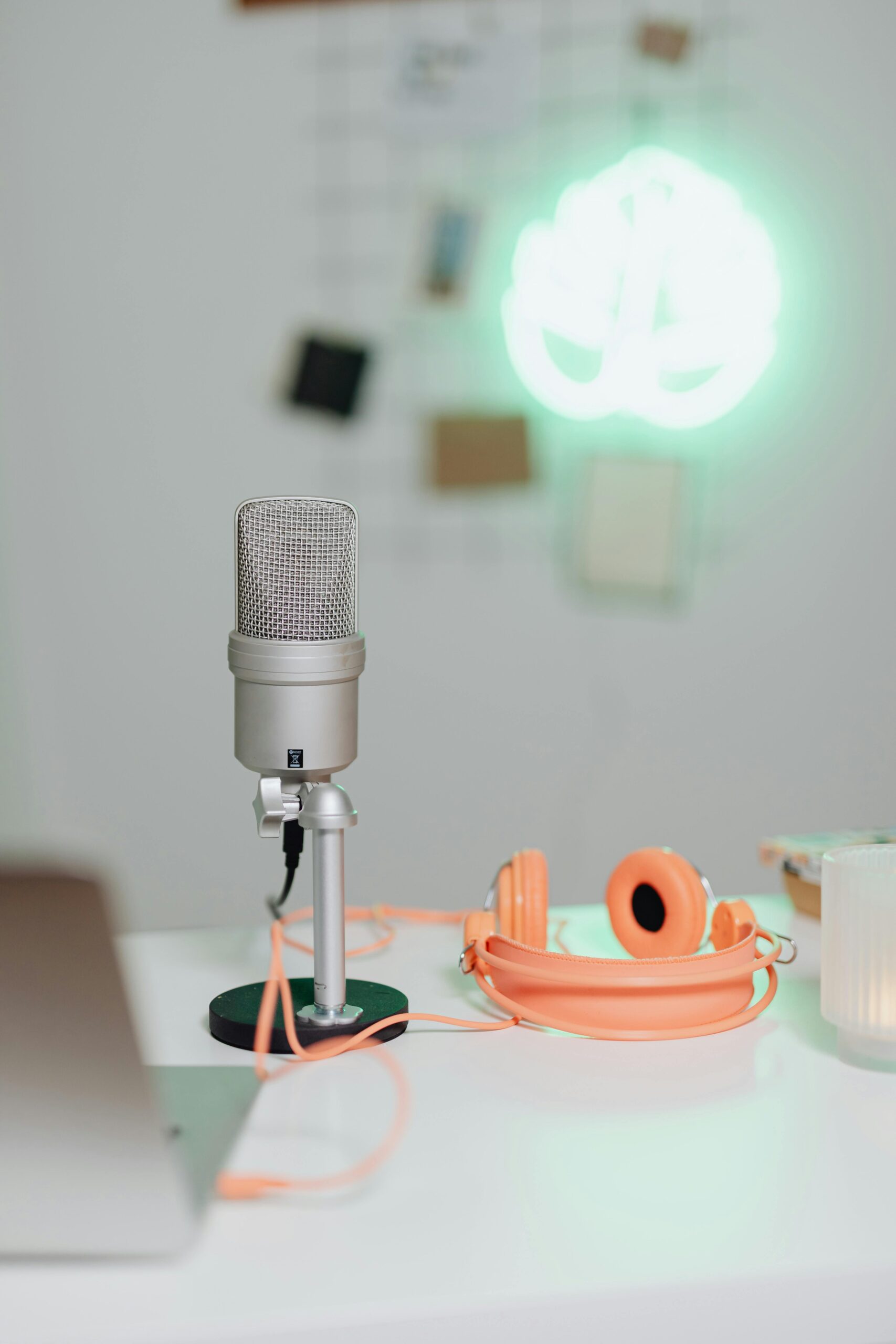

Streaming Setup Optimization for OBS Studio: The Complete Guide
Introduction
Optimizing your streaming setup for OBS Studio is essential if you want smooth, high-quality live streams without lag, frame drops, or technical issues. Whether you are a beginner or an experienced content creator, the right configuration can elevate your stream quality, reduce CPU load, improve encoding efficiency, and create a professional viewer experience. In this comprehensive guide, we will break down everything you need to know—from hardware optimization to OBS settings, plugins, network configuration, and layout organization.
Why OBS Optimization Matters
OBS Studio is one of the most powerful and widely used broadcasting tools available. However, its flexibility can also make it challenging for new users to configure. A poorly optimized setup often results in:
- Low video quality or pixelation
- High CPU usage
- Dropped frames or buffering
- Audio sync issues
- Camera stuttering
- Choppy transitions
Optimizing OBS ensures your streams run smoothly while maintaining high video quality, even with limited hardware. It also enhances viewer satisfaction, which can increase engagement, followers, and monetization potential.
Hardware Requirements and Optimization
Your hardware plays a crucial role in OBS performance. While OBS can run on low-end systems, higher-quality settings require stronger components. Below is a comparison of different hardware tiers and how each affects streaming performance.
Hardware Comparison Table
| Hardware Level | Recommended Use Case | Performance Impact |
| Entry-Level (Budget PC) | 720p streaming, light gameplay, webcam-only streams | Moderate CPU load, limited encoding options |
| Mid-Range Gaming PC | 1080p streaming, mid-tier games, multiple scenes | Balanced performance, better GPU encoding |
| High-End Streaming Rig | 1080p-1440p streaming, heavy games, advanced scenes | Lower CPU/GPU load, supports high-quality settings |
Hardware Recommendations
Below are recommended components for optimal OBS performance.
- CPU: AMD Ryzen 5 5600X+ or Intel i5 12600K+ (Upgrade link: {{AFFILIATE_LINK}})
- GPU: NVIDIA GTX 1660 Super+ or RTX series for NVENC (Purchase: {{AFFILIATE_LINK}})
- RAM: 16–32GB DDR4 or DDR5 (Upgrade: {{AFFILIATE_LINK}})
- Capture Cards: Elgato HD60 S+ or 4K60 Pro (Buy here: {{AFFILIATE_LINK}})
- Microphones: Blue Yeti, Elgato Wave 3 (Check price: {{AFFILIATE_LINK}})
- Webcams: Logitech C920 or Sony Mirrorless with capture card (Link: {{AFFILIATE_LINK}})
OBS Studio Settings Optimization
Choosing the right OBS settings is the most important part of stream optimization. The following sections break down key settings for video, audio, output, and performance improvements.
Video Settings
Your base and output resolutions, as well as FPS, significantly affect performance.
- Base (Canvas) Resolution: Match monitor resolution (1080p or 1440p)
- Output (Scaled) Resolution: 720p or 1080p depending on hardware
- Downscale Filter: Lanczos (best quality) or Bicubic (for performance)
- FPS: 30–60 depending on CPU/GPU strength
Output Settings
OBS provides multiple encoders, each with advantages.
Software Encoding (x264)
x264 uses CPU resources. Only recommended for high-end CPUs.
- Rate Control: CBR
- Bitrate: 4500–6000 kbps (1080p 60fps) or 3000 kbps (720p)
- CPU Usage Preset: Veryfast to Faster for strong CPUs
Hardware Encoding (NVENC / AMF / QuickSync)
Hardware encoders use GPU resources, significantly reducing CPU load. This is ideal for gaming and streaming simultaneously.
- Rate Control: CBR
- Bitrate: 4500–8000 depending on platform
- NVENC Preset: Quality or Max Quality
- Lookahead: Off for performance
- Psycho-visual Tuning: On for better clarity
Audio Settings
Clear audio is essential for a professional stream.
- Sample Rate: 48kHz
- Desktop Audio: Default device
- Mic/Auxiliary Audio: Your dedicated microphone
- Audio Bitrate: 160–320kbps
Network and Bitrate Optimization
Your stream bitrate determines the quality and upload demand. Streaming platforms have recommended bitrates:
- Twitch 1080p 60fps: 6000 kbps
- YouTube 1080p 60fps: 6000–9000 kbps
- Facebook: 4000 kbps
You can run a speed test and ensure upload speed is at least 1.5 times your stream bitrate.
OBS Layout Optimization
A well-organized OBS layout can significantly improve your workflow.
Recommended Scene Setup
- Starting Soon
- Main Gameplay
- Just Chatting
- BRB Screen
- Ending Stream
Source Organization Tips
- Use folders to group related sources
- Name every source clearly
- Keep most-used scenes at the top
- Use hotkeys for quick transitions
Plugins and Tools for Better Streaming
OBS Studio becomes even more powerful with plugins. These tools can enhance your production quality and automation.
Must-Have OBS Plugins
- OBS WebSocket for remote control
- StreamFX for advanced filters and transitions
- OBS ShaderFilter for visual enhancements
- Move Transition Plugin for smooth animations
- OBS Live (StreamElements) for integrated chat & activity feed
Advanced Optimization Strategies
If you want to push your stream quality to professional levels, consider these advanced techniques.
Dual PC Streaming Setup
A second PC can handle all encoding, reducing load on your main gaming system.
- Requires a capture card (Elgato, AVerMedia)
- Enables x264 Slow preset for premium quality
Audio Signal Chains
A proper audio chain can dramatically improve microphone output.
- Noise suppression and noise gates
- Compression for smoother volume levels
- EQ to enhance clarity
Using LUTs and Filters
You can color-correct webcams for professional results.
Common OBS Problems and Solutions
Even optimized setups can experience issues. Here are common problems and how to fix them.
Dropped Frames
Occurs due to weak internet upload.
- Lower bitrate
- Use a wired Ethernet connection
High CPU Usage
- Switch encoder to NVENC
- Lower output resolution
- Close background apps
Audio Sync Delay
- Add manual sync offset
- Use audio monitoring tools
Recommended Streaming Accessories
Below is a list of optional but highly beneficial accessories to enhance your streaming environment.
- Lighting kits (Ring lights, soft boxes) {{AFFILIATE_LINK}}
- Stream Deck for scene control {{AFFILIATE_LINK}}
- Sound panels for acoustic treatment {{AFFILIATE_LINK}}
- Green screen for chroma key {{AFFILIATE_LINK}}
Internal Resources
Explore more streaming guides here: {{INTERNAL_LINK}}
FAQ
How do I reduce lag in OBS Studio?
Use hardware encoding (NVENC), reduce resolution, and lower the bitrate if your network struggles.
Is 6000 bitrate enough for 1080p streaming?
Yes, it is standard for Twitch. For YouTube, you can go higher for improved quality.
Does OBS need a strong graphics card?
Not necessarily, but NVIDIA GPUs with NVENC provide significant performance benefits.
Should I stream at 720p or 1080p?
1080p is ideal for strong systems; 720p is better for performance and bandwidth optimization.
How do I fix audio delay?
Apply a sync offset in the Advanced Audio Properties panel.
Conclusion
Optimizing your streaming setup for OBS Studio is a balance of hardware capability, encoding settings, and proper scene organization. With the strategies outlined above, you can achieve crystal-clear video, smooth performance, and a highly professional live streaming experience. Whether you’re streaming games, tutorials, or live events, the right setup ensures your content looks and sounds its best. Continue exploring advanced techniques and tools to elevate your stream even further.



Leave a Reply