
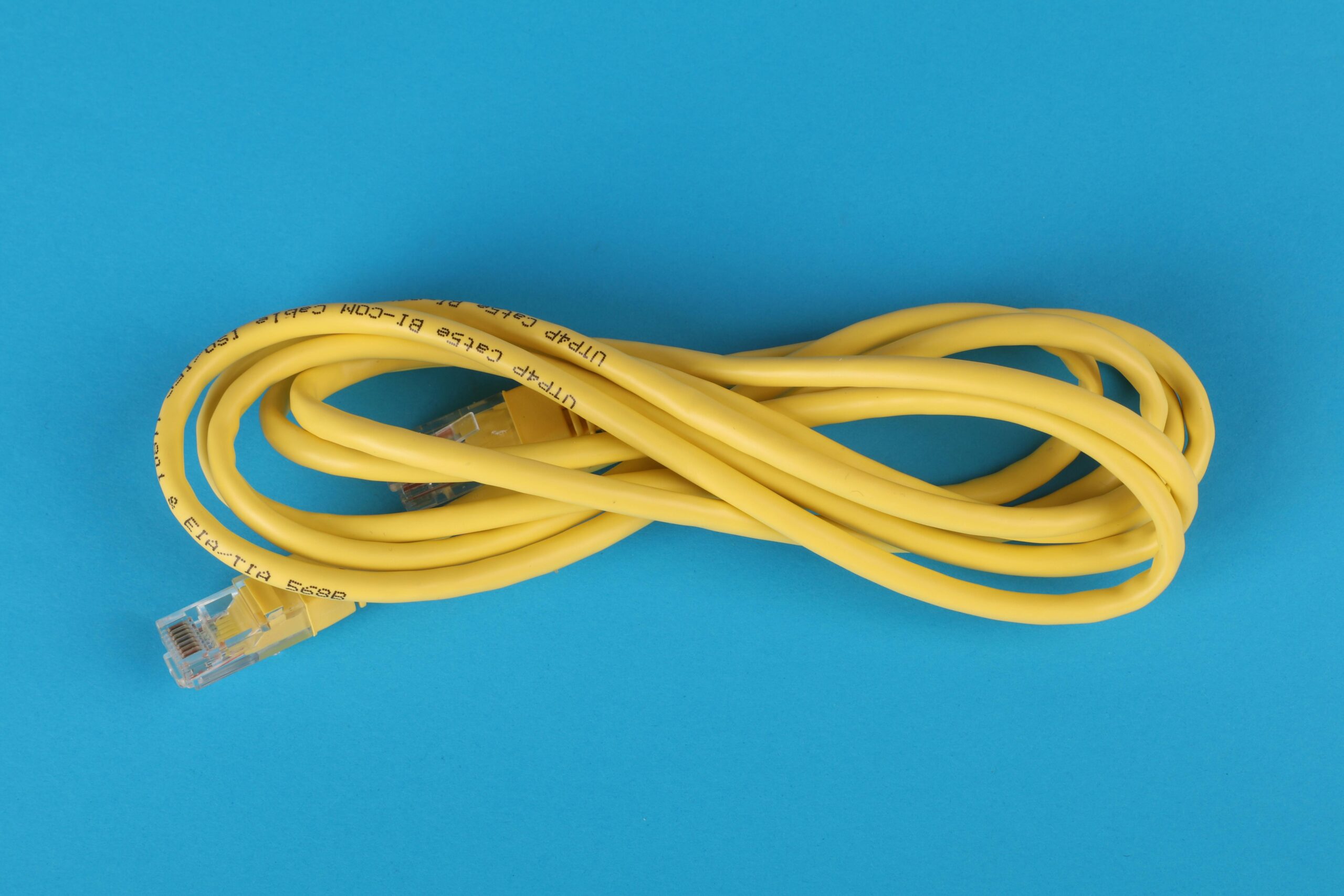

Best Motherboards for High-Speed Networking: The Complete 2026 Guide
High-speed networking has become a critical performance factor for modern PCs, especially as demand grows for ultra-fast internet, home servers, NAS systems, and professional workflows that rely on rapid data transfer. Whether you’re building a gaming PC with minimal latency, a workstation for handling massive datasets, or a server designed for blazing-fast file transfers, choosing the right motherboard plays a pivotal role.
This comprehensive guide explores the best motherboards for high-speed networking, the features to look for, how technologies differ, and what you need to know before investing. You’ll also find comparison tables, internal and affiliate link placeholders, and answers to the most frequently asked questions.
Why High-Speed Networking Matters
As internet speeds surpass gigabit levels and local networks accelerate to multi-gig capabilities, outdated networking hardware becomes a bottleneck. High-speed networking motherboards provide:
- Lower latency for competitive gaming
- Faster large-file transfers across networks
- Improved performance for NAS and server builds
- Better VoIP, streaming, and remote work experiences
- Future-proof connectivity for rapidly evolving bandwidth needs
Traditional 1GbE LAN ports are no longer sufficient for many users. Modern motherboards often include faster standards like 2.5GbE, 5GbE, 10GbE, and in rare cases, even 25GbE support. Wi-Fi standards are also advancing, with Wi-Fi 6E and Wi-Fi 7 providing exceptional wireless throughput.
Key Features to Look for in a High-Speed Networking Motherboard
Not all motherboards are created equal. When optimizing for networking, certain features become far more important than others.
1. Multi-Gig Ethernet Ports
Ethernet remains the gold standard for speed and stability. Many of today’s high-performance boards include one or more multi-gig ports:
- 2.5GbE – The new baseline for modern PCs
- 5GbE – Less common but ideal for faster LAN setups
- 10GbE – Preferred for professionals and NAS builders
- 25GbE – Extremely rare and designed for enterprise environments
Look for boards that use high-quality controllers such as Intel I225-V (2.5GbE) or Aquantia/Marvell AQC107 (10GbE).
2. Advanced Wi-Fi Standards
If you rely on wireless networking, Wi-Fi 6E and the newer Wi-Fi 7 dramatically outperform older standards. Benefits include:
- Lower latency
- Wider channels for increased throughput
- Improved performance in congested environments
- Better multi-device handling
Motherboards with external antenna connectors typically provide better performance than those with internal solutions.
3. High-Quality PCB and Signal Integrity
High-speed networking demands stable signal performance, which depends heavily on motherboard quality. Look for boards with multi-layer PCBs, high-quality chokes and capacitors, and reinforced networking controllers.
4. PCIe Expansion for Network Cards
If the onboard networking options are insufficient, ensure the board includes adequate PCIe lanes for adding dedicated NICs (Network Interface Cards). PCIe 4.0 and 5.0 slots provide improved bandwidth for future upgrades.
5. Server-Grade Features
For workstation and server builds, features like ECC memory support, IPMI, and dual LAN with failover capabilities are major advantages.
Best Motherboards for High-Speed Networking in 2026
Below are some of the top choices for users seeking unparalleled networking performance. These motherboards are ideal for gaming, professional work, or home laboratories requiring multi-gig connectivity.
1. ASUS ROG Crosshair X670E Extreme
A powerhouse board built for AMD Ryzen processors, featuring premium networking options and next-generation connectivity.
- 10GbE LAN
- 2.5GbE secondary LAN
- Wi-Fi 6E with external antennas
- PCIe 5.0 support
Buy here: ASUS ROG Crosshair X670E Extreme
2. MSI MEG Z790 ACE MAX
Designed for Intel 14th-generation processors, this motherboard offers outstanding networking performance and robust build quality.
- 2x 2.5GbE LAN ports
- Wi-Fi 7 connectivity
- High-performance VRM cooling
- Extensive PCIe expansion
Buy here: MSI MEG Z790 ACE MAX
3. ASRock X670E Taichi Carrara
A visually stunning and feature-rich AM5 motherboard with premium networking capabilities.
- 2.5GbE LAN
- Wi-Fi 6E support
- 8-layer PCB for excellent signal integrity
- Ideal for overclockers and creators
Buy here: ASRock X670E Taichi Carrara
4. Gigabyte Z790 AORUS XTREME
One of the most advanced Intel motherboards available, built with high-speed networking in mind.
- 10GbE + 2.5GbE dual LAN
- Wi-Fi 7
- Thermal-optimized design
- Massive power delivery system
Buy here: Gigabyte Z790 AORUS XTREME
Comparison Table: Best Motherboards for High-Speed Networking
| Motherboard | Ethernet Ports | Wi-Fi Standard | Chipset | Best For |
| ASUS ROG Crosshair X670E Extreme | 10GbE + 2.5GbE | Wi-Fi 6E | X670E | High-end AMD builds |
| MSI MEG Z790 ACE MAX | Dual 2.5GbE | Wi-Fi 7 | Z790 | Intel performance systems |
| ASRock X670E Taichi Carrara | 2.5GbE | Wi-Fi 6E | X670E | Creator-focused AMD builds |
| Gigabyte Z790 AORUS XTREME | 10GbE + 2.5GbE | Wi-Fi 7 | Z790 | Ultimate Intel performance builds |
How to Choose the Right Motherboard for Your Networking Needs
With so many options, choosing the right board depends on your specific use case. Below are scenarios to help guide your decision.
For Home Gaming PCs
If you mainly game online, low latency and stability matter more than raw bandwidth. A 2.5GbE port and at least Wi-Fi 6 are recommended.
For Streaming and Content Creation
Creators often work with large files across network storage systems. Multi-gig Ethernet becomes essential for speeding up workloads.
For Servers and NAS Systems
10GbE is highly recommended for servers or NAS setups, especially those transferring large amounts of data between devices.
Learn more about network-optimized hardware here: Networking Hardware Guide
Tips for Maximizing High-Speed Network Performance
Even the best motherboard won’t perform at its peak without proper optimization. Consider the following tips:
- Use high-quality Cat6a or Cat7 cables for multi-gig speeds
- Pair your motherboard with a multi-gig router or switch
- Keep BIOS and networking drivers updated regularly
- Enable advanced networking features like jumbo frames
- Position Wi-Fi antennas properly to reduce interference
Frequently Asked Questions (FAQ)
Do I need 10GbE for gaming?
No. Gaming requires low latency, not high bandwidth. A 1GbE or 2.5GbE connection is typically sufficient.
Is Wi-Fi 7 worth it?
If you rely heavily on wireless connections or live in a crowded network environment, Wi-Fi 7 offers major benefits in speed and reliability.
Are multi-gig routers necessary?
Yes, to fully utilize 2.5GbE or faster ports, you need compatible networking equipment like routers or switches capable of handling those speeds.
Can I upgrade to high-speed networking later?
Yes. Many motherboards allow upgrades through PCIe NIC expansion cards, allowing you to add 5GbE or 10GbE later.
Which is better: Ethernet or Wi-Fi for high-speed networking?
Ethernet is generally faster, more stable, and more reliable. Wi-Fi is convenient but more susceptible to interference.
Conclusion
Selecting the right motherboard for high-speed networking ensures that your system can handle the demands of modern work, gaming, and data-intensive workflows. By focusing on multi-gig Ethernet, next-gen Wi-Fi, and robust build quality, you can create a future-proof machine optimized for maximum network performance.
Explore more in our hardware guides here: PC Components Hub



Leave a Reply