
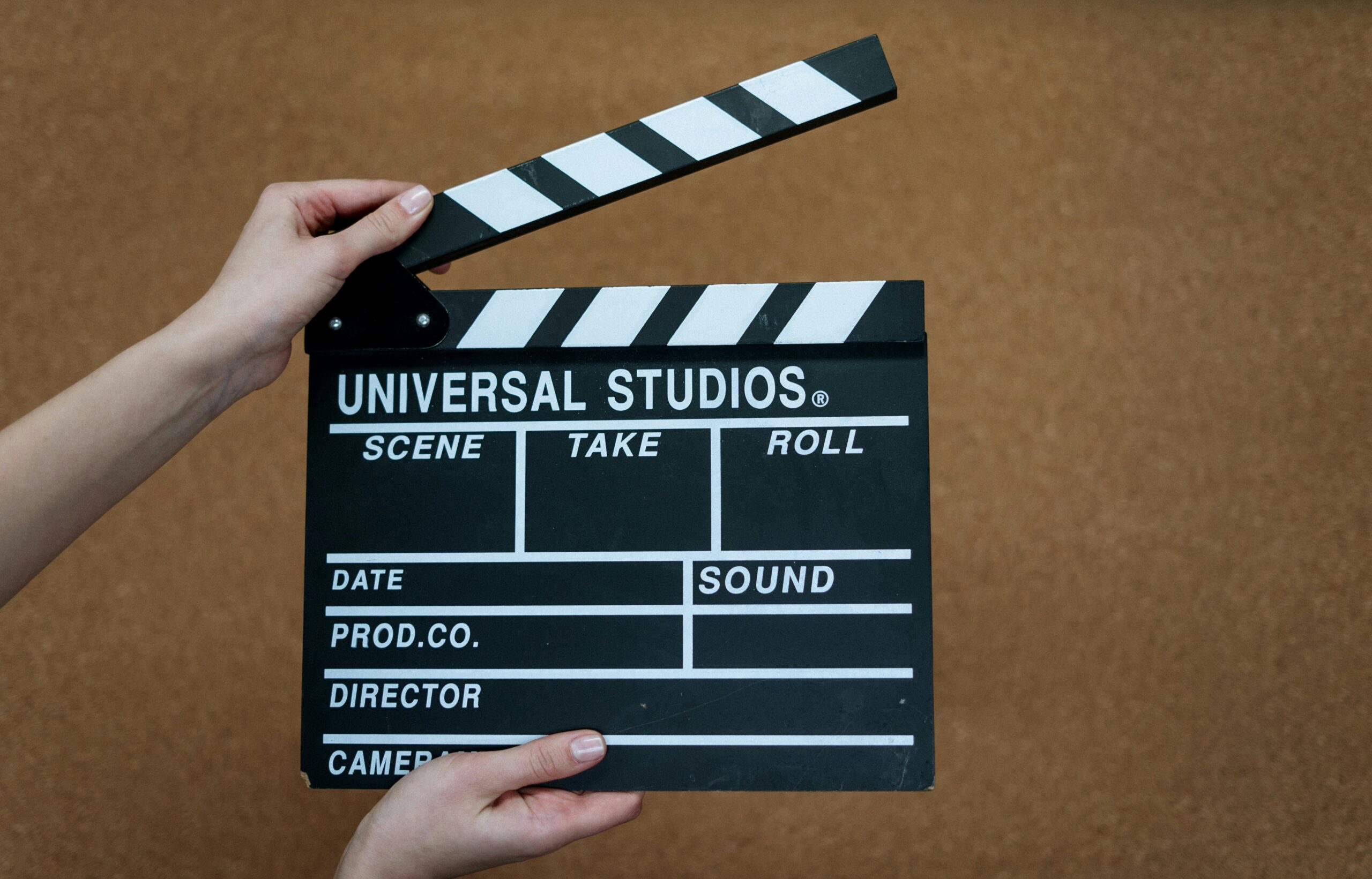

Best Practices for AI Video Editing and Scene Selection
Artificial intelligence has transformed the video creation landscape, making high-quality content production faster, more efficient, and more accessible to creators of all skill levels. Whether you are a professional filmmaker, a content creator, or a marketer producing product videos, AI tools can dramatically streamline tasks like scene detection, clip trimming, audio refinement, color correction, transitions, and more. But to get the best results, it’s important to follow proven best practices. This long-form guide explores expert strategies for using AI video editing and scene selection effectively, along with recommended tools, workflows, and optimization methods that help you achieve polished, professional results.
Understanding AI Video Editing
AI video editing refers to the use of machine learning and computer vision to automate various editing tasks. Modern AI systems can identify important moments, detect faces, read onscreen text, auto-correct visual inconsistencies, and even generate full edits based on a script or storyboard. These innovations significantly reduce the time needed for editing, while still giving creators full creative control.
Before diving into best practices, it’s important to understand what AI can do within the editing workflow. Key capabilities include:
- Automatic scene detection and segmentation
- Smart trimming of dead space or irrelevant footage
- Face, object, and motion tracking
- Color grading and lighting corrections
- AI-generated transitions and effects
- Auto-captioning and speech-to-text analysis
- Style consistency across the entire video
The key to using these tools effectively is knowing when to rely on automation and when to apply manual adjustments for creative precision.
Best Practices for AI Scene Selection
Scene selection is one of the most powerful features in modern AI editing tools. Properly applied, it can shorten editing time from hours to minutes by identifying the most relevant moments in a video. Here are essential best practices to ensure your AI-selected scenes support your message and narrative clearly.
1. Define Your Narrative Purpose Before Editing
Even the most advanced AI tools require guidance. Before running your footage through an AI editor, define the narrative purpose of your final video. Are you creating a highlight reel, a tutorial, an interview summary, or a promotional clip? Setting this narrative focus helps the AI prioritize certain types of scenes, such as high-action segments, emotional reactions, or important spoken keywords.
2. Use AI Keyword-Based Scene Selection
Many platforms allow you to set keywords or themes to guide scene detection. For example, an AI tool might prioritize segments where speakers mention product names, features, or emotional keywords like “exciting,” “beautiful,” or “important.” This is especially useful for:
- Educational videos
- Product demos
- Interviews and podcasts
- Marketing campaigns
Keyword guidance gives the AI clear parameters for what matters most in your footage.
3. Enable Face and Object Priority Detection
When your video features multiple speakers or important objects, turn on face or object tracking. The AI will automatically follow these entities throughout the video and select scenes where they are centered or active. This reduces the chance of cutting away from important expressions or demonstrations.
4. Take Advantage of AI-Powered Emotional Recognition
Advanced AI tools analyze facial expressions and vocal tone to detect emotional intensity. This is particularly useful for highlight reels, cinematic content, or storytelling-focused videos. The AI will prioritize scenes where emotion peaks, providing natural pacing and engagement.
5. Always Review Scene Output Manually
While AI scene selection is incredibly accurate, it’s still essential to review the final output. There may be moments the AI misses due to nuances in human communication, background noise, or lighting conditions. Use human judgment to refine transitions, remove repetitive clips, and ensure narrative consistency.
Best Practices for AI Video Editing
AI editing tools can handle both simple and complex tasks, but their effectiveness increases when they are used strategically. These best practices help you maintain professional-quality output while speeding up your workflow.
1. Start with High-Quality Raw Footage
No matter how powerful your AI editor is, it can’t fully compensate for poorly shot footage. Before relying on AI tools, ensure your recording meets baseline quality standards:
- Stable camera movement
- Good lighting
- Clear audio
- Minimal background distractions
The better your input, the better your AI-enhanced output will be.
2. Use AI Tools for Rough Cuts
AI excels at producing initial cuts by removing filler content, mistakes, or long pauses. Let the AI handle this stage, then refine the edit manually for pacing, emotional resonance, and storytelling.
3. Apply AI Color Correction as a Starting Point
AI color grading tools can analyze entire scenes and bring consistency to lighting, contrast, and saturation. Use these corrections as a baseline, then customize the look to fit your style or brand aesthetic.
4. Automate Repetitive Tasks
Tasks like captioning, noise reduction, stabilization, and format conversion can all be automated. This saves significant time during post-production and ensures a more uniform result across projects.
5. Use AI Templates but Customize Them
Most AI editing platforms offer templates for specific video types such as promotional ads, social media reels, or educational tutorials. Templates are efficient for structuring content, but always customize them to match your brand identity and storytelling goals.
6. Keep Human Creativity Central
AI tools are powerful assistants, not replacements for creative decision-making. Use them to streamline workflow, but maintain human oversight for pacing, mood, transitions, and overall emotional impact.
Recommended AI Video Editing Tools
Below is a comparison of popular AI video editing tools available today. These platforms each offer unique strengths and features, so the best choice depends on your workflow and content style.
| Tool | Best For | Key Features | Link |
| Tool A | Marketing & social media | Auto-editing, templates, captions, AI transitions | Try Tool A |
| Tool B | Long-form video and storytelling | Scene detection, emotional recognition, smart trimming | Try Tool B |
| Tool C | Professional filmmaking | Advanced color grading, object tracking, pro-level export | Try Tool C |
Workflow Example: AI-Enhanced Editing from Start to Finish
The following workflow provides a practical example of how to integrate AI editing tools effectively.
1. Import and Organize Footage
Start by loading all raw footage into your AI editing platform. Organize clips by scene, camera angle, or subject for maximum clarity.
2. Enable Automatic Scene Detection
Let the AI break down your footage into logical segments. Use keyword detection, face tracking, or emotional analysis to refine the scene selection.
3. Generate the Rough Cut
Allow the AI to assemble an initial edit. This eliminates unnecessary gaps, silences, and irrelevant footage.
4. Apply AI Corrections
Use AI features for color balancing, audio cleanup, stabilization, and auto-captioning.
5. Manually Refine the Edit
Adjust pacing, add transitions, overlay branding, and ensure narrative clarity.
6. Export and Review
Use AI optimization settings for the intended platform (YouTube, Instagram, TikTok, or broadcast). Review manually before publishing.
Linking Your Video Editing Strategy to Larger Content Plans
AI video editing becomes even more powerful when integrated into a broader content strategy. Consider directing viewers to related resources using internal links, such as:
Explore more AI-powered content creation tips
FAQ
What is AI scene selection?
AI scene selection is the automated process of detecting and selecting significant parts of video footage using machine learning and computer vision. It helps speed up editing and improves content relevance.
Can AI replace human video editors?
No. AI tools enhance workflow and efficiency, but human creativity and decision-making remain essential for storytelling, pacing, and emotional impact.
How accurate is AI scene detection?
Modern AI tools achieve high accuracy, especially when using features like face tracking, speech analysis, and object recognition. However, manual review is always recommended.
What types of videos benefit most from AI editing?
Interviews, podcasts, tutorials, social media clips, marketing videos, and long-form content all benefit significantly from AI-driven editing.
Are AI video editing tools good for beginners?
Yes. Many tools are designed for beginners and automate complex tasks, making professional video editing accessible to users with little experience.


Leave a Reply