
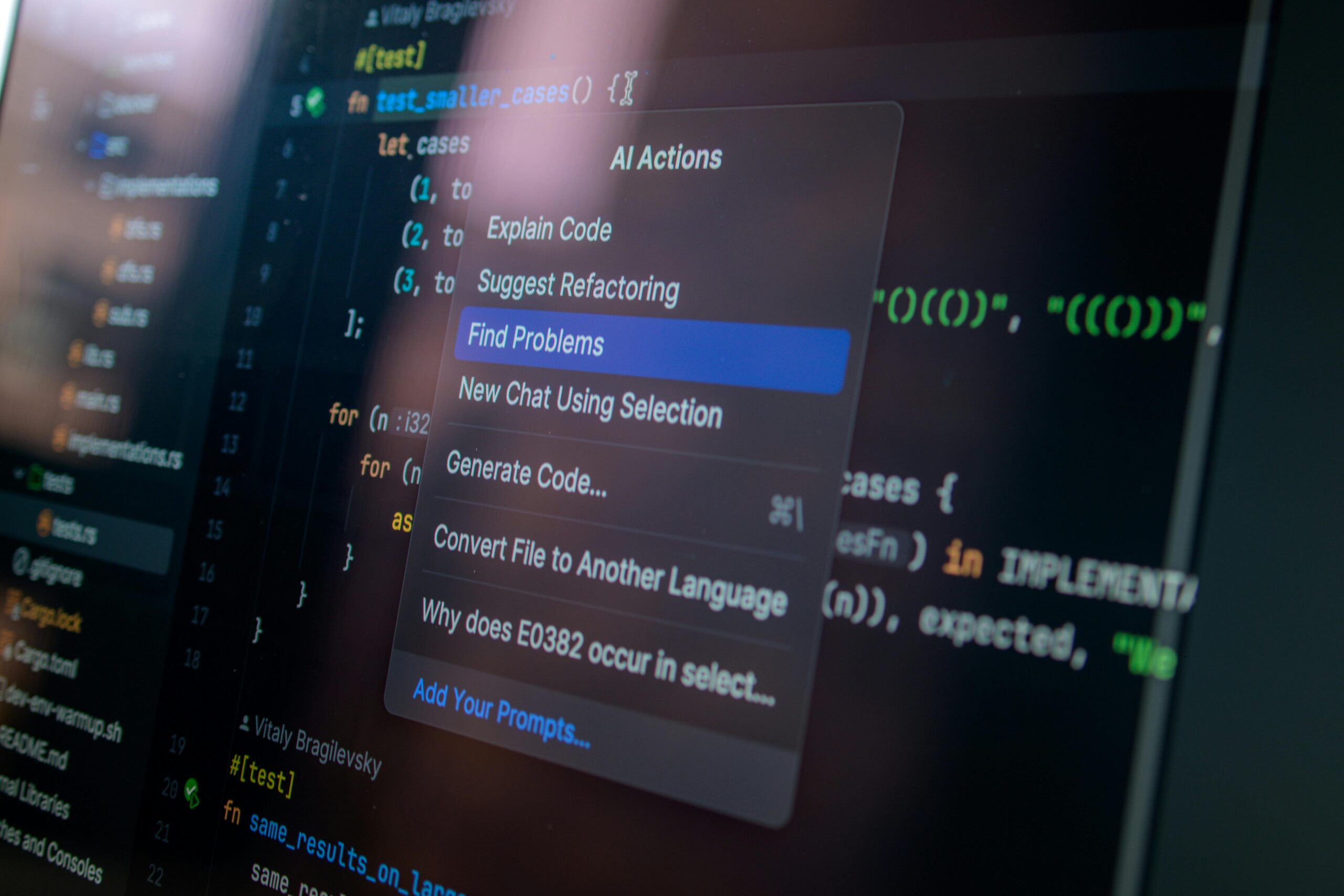

Integrating AI Assistants into IDEs like VS Code or PyCharm
Introduction
Artificial intelligence has become an essential part of modern software development, offering developers improved productivity, reduced time spent debugging, and intelligent code suggestions. Today, AI-powered assistants can integrate directly into widely used integrated development environments (IDEs) such as Visual Studio Code (VS Code) and PyCharm. These integrations enable developers to write code faster, maintain better code quality, and automate routine tasks that traditionally slow down development workflows.
This guide provides a comprehensive, long-form overview of how AI assistants integrate with IDEs, the benefits and challenges of these integrations, how to set them up, and what tools and extensions developers should consider. Whether you’re working on Python scripts, full-stack web applications, or machine learning models, integrating AI assistants into your IDE can dramatically enhance your efficiency and code reliability.
Why Integrate AI Assistants into Your IDE?
AI assistants in development environments provide real-time intelligence tailored to your coding context. Instead of relying solely on static autocomplete suggestions, AI models analyze code semantics, project structure, and patterns in your codebase to offer meaningful recommendations.
Key Benefits
- Improved productivity through intelligent auto-completion
- Faster debugging with AI-driven error explanations
- Real-time code refactoring recommendations
- Automatic documentation generation
- Enhanced learning for beginner developers
- Better adherence to project coding standards
- Reduced cognitive load during complex tasks
These benefits transform the coding experience from a manual process to a guided, optimized workflow powered by machine learning.
Popular AI Assistants for IDE Integration
Various AI coding assistants integrate seamlessly with modern IDEs. While some are built specifically for languages like Python or JavaScript, others are language-agnostic and work across multiple projects.
- Coding assistance tools such as Copilot, Tabnine, and similar AI coding engines
- AI code review tools integrated via plugins
- AI-powered search and documentation assistants
- Workflow and automation plugins powered by machine learning
Many of these services include free tiers, as well as premium versions that can be purchased through affiliate links such as {{AFFILIATE_LINK}}. Developers can explore these tools to find solutions tailored to their specific needs.
Integrating AI Assistants into VS Code
VS Code is one of the most popular development environments due to its extensive extensions ecosystem and customization options. AI assistants integrate easily into VS Code through its marketplace extensions.
Step-by-Step Setup Guide
- Open VS Code and navigate to the Extensions panel
- Search for the AI assistant or plugin name
- Click “Install” to add the plugin to your IDE
- Configure API keys or authentication settings
- Enable advanced features such as inline completions or background suggestions
After installation, AI assistants typically activate automatically within your workspace and begin analyzing your code in real-time.
Customizing AI Features in VS Code
VS Code provides extensive customization via settings.json. Developers can fine-tune many elements, including:
- Suggestion frequency
- Model aggressiveness
- Context length and completion depth
- Restrictions on auto-suggestions
- Special behaviors for specific languages
By tailoring configuration settings, developers can ensure the AI assistant behaves in a way that enhances, not disrupts, their coding workflow.
Integrating AI Assistants into PyCharm
PyCharm, built for Python development, offers powerful built-in intelligence, but AI assistants extend its capabilities even further. JetBrains IDEs support a range of AI plugins designed to understand Python-specific structures and frameworks.
Step-by-Step PyCharm Integration
- Navigate to PyCharm’s Settings or Preferences panel
- Select “Plugins” from the menu
- Search for the desired AI tool
- Install and restart the IDE
- Enter authentication or API credentials
Most plugins automatically integrate with PyCharm’s editor, terminal, version control tools, and debugging environment.
Advanced PyCharm AI Features
- AI-assisted test generation
- Python-specific refactoring improvements
- Intelligent function previews and usage predictions
- Improved static analysis through ML-based heuristics
These enhancements help developers write more expressive, error-free Python code with minimal manual debugging.
VS Code vs. PyCharm AI Integration Comparison
| Feature | VS Code | PyCharm |
| Installation Difficulty | Very easy | Easy |
| Python-Specific Support | Good | Excellent |
| AI Extension Options | Extensive variety | Moderate variety |
| Performance with AI Plugins | Lightweight | Heavier but optimized |
| User Customization | Highly customizable | Moderately customizable |
Both IDEs integrate AI effectively, but your choice depends on language preference, performance needs, and development style.
Advanced AI Capabilities in Modern IDEs
With rapid advancements in AI, today’s IDE integrations include features far beyond simple suggestion engines. They now offer deep contextual understanding and predictive insights about your code.
AI-Powered Autonomous Code Actions
- Automatic code cleanup
- Class generation and skeleton code
- Bug pattern recognition before runtime
- Optimized function rewriting for performance
AI-Assisted Project Navigation
AI tools can interpret project architecture and suggest navigation shortcuts. For example, clicking into a referenced function may trigger contextual explanations or highlight related code across multiple files. This eliminates the need for extensive manual searching.
AI in Version Control
Some AI assistants analyze Git diffs to provide:
- Commit message generation
- Risk-level assessment for new code
- Merge conflict resolution suggestions
- Automated documentation updates
These features reduce errors and streamline team collaboration.
Best Practices for Using AI Assistants in IDEs
While AI tools boost productivity, developers should follow best practices to prevent misuse or over-reliance.
- Always review AI-generated code before merging
- Avoid using AI suggestions for sensitive or proprietary algorithms
- Regularly update your extensions for improved accuracy
- Customize your AI assistant to fit your workflow
- Use AI as a guide, not a replacement for expertise
Balanced use ensures reliable, high-quality code while leveraging AI strengths.
Affiliate Tools and Resources
Many AI coding assistants and IDE plugins offer premium versions or extended features. Developers can explore these through curated resources available via {{AFFILIATE_LINK}} to find the best tools for their workflows.
Internal Resources
For more articles on improving your development workflow, visit {{INTERNAL_LINK}} and explore related tutorials.
Frequently Asked Questions
How do AI assistants work inside an IDE?
AI assistants analyze your code in real-time and use machine learning models to predict and suggest the next lines of code, identify errors, or offer improvements based on patterns and language rules.
Are AI-generated code suggestions reliable?
AI suggestions are generally reliable for common operations but should always be reviewed before deploying or merging into production.
Do I need an internet connection for AI integrations?
Most AI assistants require an internet connection to access remote models, though some offer offline or on-device capabilities.
Which IDE works best with AI integrations?
Both VS Code and PyCharm offer strong AI integration capabilities. The choice depends on your preferred language, performance needs, and desired level of customization.
Can AI assistants help with debugging?
Yes. Many AI tools analyze stack traces, error logs, and runtime information to provide debugging recommendations.



Leave a Reply