
GPU Cooling: Thermal Pads, Paste, and Fan Curves
Introduction to GPU Cooling
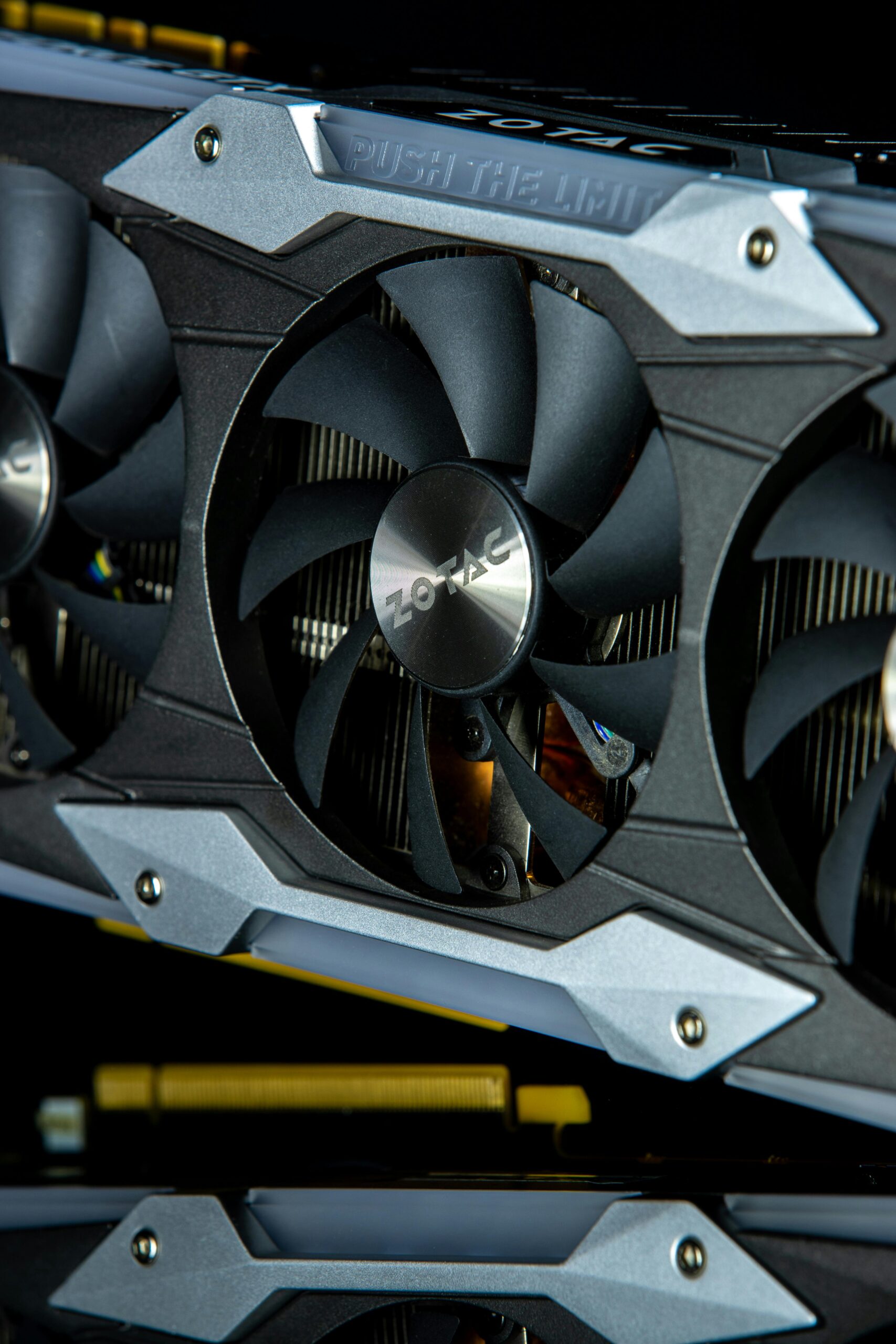
Modern graphics cards are powerful, complex machines capable of executing billions of calculations per second. With high performance comes heat, and without adequate cooling, a GPU can throttle, lose efficiency, or in severe cases become permanently damaged. GPU cooling is therefore not optional—it is essential. Understanding the role of thermal pads, thermal paste, and fan curve optimization will empower you to keep your graphics card running efficiently, quietly, and safely.
Whether you’re a gamer, content creator, or workstation user, maintaining optimal GPU temperatures will extend hardware lifespan and ensure consistent performance. This guide explores each cooling element in depth, providing practical tips and upgrade options—including recommended components via {{AFFILIATE_LINK}} and additional resources found at {{INTERNAL_LINK}}.
Why GPU Cooling Matters
Heat is one of the primary enemies of electronic components. When a graphics card becomes too hot, several problems can occur. These include thermal throttling, where performance is reduced to prevent overheating; accelerated wear on components; increased fan noise; and even failure of circuits, VRMs, or memory modules.
Proper GPU cooling ensures:
- Stable frame rates during gaming and rendering
- Improved overclocking potential
- Reduced wear on VRAM and VRM modules
- Lower fan noise over time
- Longer overall GPU lifespan
Thermal Pads: What They Do and Why They Matter
Thermal pads serve a crucial role in transferring heat from components that are not in direct contact with the GPU heat sink. These components often include VRAM modules, MOSFETs, chokes, and other parts of the voltage regulation system. Without proper thermal pads making contact with the heat sink, these components can overheat even if the GPU core itself remains cool.
How Thermal Pads Work
Thermal pads are made from compressible materials with specific thermal conductivity ratings. When placed between a VRAM chip and the heat plate, the pad fills gaps and promotes heat transfer. Unlike thermal paste, which is semi-liquid, thermal pads are solid sheets and maintain structure even under pressure.
Choosing the Right Thickness and Conductivity
GPU manufacturers use various thermal pad thicknesses, typically ranging from 0.5 mm to 3 mm. Replacing them requires matching the correct size to avoid poor contact or excessive pressure. Too thin, and the pad won’t touch the heatsink; too thick, and it can warp the PCB or reduce cooling on the GPU core.
Thermal pad conductivity ratings usually range from 3 W/mK to 17 W/mK or more. Higher conductivity is generally better, but extremely soft, high-conductivity pads can compress too much or become difficult to handle. Many users upgrade to premium pads via resources like {{AFFILIATE_LINK}}.
When to Replace Thermal Pads
Replacing thermal pads may be beneficial if:
- VRAM temperatures exceed recommended levels (often 80–90°C)
- The GPU is older and factory pads have degraded
- You plan to repaste the GPU anyway
- You’re using the GPU for VRAM-intensive workloads, such as 3D rendering or AI
Thermal Paste: The Heart of GPU Core Cooling
The GPU core (die) generates the highest concentration of heat. To transfer this heat to the heatsink, thermal paste is used. Unlike thermal pads, paste is engineered for direct die contact and is essential for maintaining low core temperatures.
How Thermal Paste Works
Thermal paste fills microscopic gaps between the GPU die and the heatsink base. These gaps, invisible to the human eye, trap air—an excellent insulator. Paste eliminates these air pockets, allowing for near-direct contact and efficient heat transfer.
Types of Thermal Paste
There are several types of paste available, each with unique benefits:
- Ceramic-Based Paste: Non-conductive, safe, long-lasting, ideal for beginners.
- Metal-Based Paste: Extremely high thermal conductivity, but may be electrically conductive.
- Carbon-Based Paste: Excellent performance, non-conductive, and durable.
Premium pastes, which you can find via {{AFFILIATE_LINK}}, can offer anywhere from 5–15°C cooling improvements over dried or poor-quality stock pastes.
When Should You Replace GPU Thermal Paste?
Thermal paste dries out over time. Signs of degraded paste include:
- Sudden temperature spikes under load
- Constant high temperatures even during low usage
- Increased fan noise
- Older GPU (3+ years) still using factory paste
While replacing paste voids some warranties, many users report substantial temperature reductions, especially in older or heavily used GPUs.
Fan Curves: Customizing Cooling Efficiency
Even with the best thermal pads and paste, the GPU cooler must effectively dissipate heat. This is where fan curve tuning comes in. A fan curve dictates how fast GPU fans spin at specific temperature thresholds. Many stock fan curves prioritize quiet operation over cooling, potentially allowing higher temperatures than necessary.
Why Custom Fan Curves Matter
Optimizing your fan curve offers several benefits:
- Lower operating temperatures
- Reduced thermal throttling
- Longer VRM and VRAM lifespan
- Better stability during overclocking
However, more aggressive fan curves can increase noise. Striking the right balance is key.
How to Create an Effective Fan Curve
Most users adjust fan curves using software such as MSI Afterburner, Radeon Software, or manufacturer-specific tools. A well-balanced curve gradually increases RPM at lower temperatures and ramps more aggressively past 70°C.
A typical effective curve might look like this:
- 30% fan speed at 40°C
- 45% fan speed at 55°C
- 60% fan speed at 65°C
- 75% fan speed at 75°C
- 90% fan speed at 85°C
This ensures quiet operation when idle but powerful cooling as temperatures rise.
Thermal Pads vs. Thermal Paste vs. Fan Curves
Each cooling component plays a unique role. Understanding their differences helps you diagnose issues more effectively.
| Cooling Method | What It Affects | Best For |
| Thermal Pads | VRAM, VRM modules | Fixing high memory temps or aging pads |
| Thermal Paste | GPU core temperature | Improving core cooling and eliminating dried paste issues |
| Fan Curves | Overall cooler efficiency | Fine-tuning noise/performance balance |
How to Diagnose Your GPU’s Cooling Problems
The first step in improving cooling is determining which component is causing the issue. Tools like GPU-Z, MSI Afterburner, and HWInfo can show VRAM temps, GPU core temps, and fan speeds.
- High GPU Core Temps: Thermal paste likely needs replacement.
- High VRAM Temps: Thermal pads are insufficient or degraded.
- Loud GPU Under Low Load: Fan curve may need tuning.
- Throttling Even When Cool: Could be VRM temps or power limits.
Upgrading Your GPU Cooling
Advanced users often upgrade cooling components to enhance performance. Improvements include:
- High-performance thermal pads via {{AFFILIATE_LINK}}
- Premium thermal paste (carbon or metal-based)
- Optimized fan curves for balanced cooling
- Custom cooling mods (aftermarket coolers or hybrid kits)
Be sure to consult guides such as those linked through {{INTERNAL_LINK}} before undertaking modifications.
Maintenance Tips for Long-Term Cooling Performance
Maintaining optimal GPU temperature isn’t a one-time task. Regular maintenance ensures long-term performance.
- Clean dust from GPU fans and heatsinks every 3–6 months.
- Check fan bearings for noise or grinding.
- Monitor temperatures periodically.
- Ensure proper case airflow.
Consistent maintenance can drastically improve GPU longevity.
Conclusion
GPU cooling is essential for maintaining performance, preventing throttling, and extending the lifespan of your graphics card. Thermal pads safeguard VRAM and VRM modules, thermal paste ensures efficient GPU core heat transfer, and fan curves fine-tune cooling behavior. By understanding and optimizing each component, you can significantly improve your system’s thermal performance.
Whether you’re upgrading with high-quality thermal pads, applying premium thermal paste, or fine-tuning fan curves, the strategies in this guide will help you maintain a cooler and more efficient GPU for years to come.
FAQ
How often should I replace GPU thermal paste?
Most users replace thermal paste every 2–4 years, depending on usage, temperature, and paste type.
Are high-conductivity thermal pads worth it?
Yes. High-conductivity pads can drastically reduce VRAM temperatures, especially in GPUs where memory runs hot.
Will adjusting my fan curve void my warranty?
No. Software fan curve adjustments are safe and do not affect warranty status.
Can thermal pads replace thermal paste?
No. Pads are designed for VRAM and VRM components, whereas paste is specifically for the GPU die.