
Power Supply Safety and Surge Protection Tips
Introduction to Power Supply Safety
Power supply safety is a critical aspect of maintaining a secure and functional home or workplace. Every electronic device relies on a stable and safe power source, and even minor electrical issues can cause severe damage, data loss, or even fires. Whether you are powering computers, appliances, entertainment systems, or industrial equipment, understanding proper safety measures can protect both your investment and your well-being. This guide explores essential power supply safety practices and surge protection tips to help ensure optimal performance and long-term reliability of your electronic devices.
Electrical problems may arise without warning. Voltage fluctuations, wiring issues, and lightning strikes can introduce surges capable of destroying sensitive components instantly. With proper knowledge and the right equipment, however, most of these risks can be dramatically minimized. This article also includes recommended tools and accessories, available through trusted retailers using affiliate link placeholders such as {{AFFILIATE_LINK}}, so you can easily find the best protection for your setup.
Why Power Supply Safety Matters
Electrical issues are among the leading causes of equipment failure. A power supply problem can result in downtime, expensive repairs, shortened device lifespan, and in severe situations, hazardous electrical fires. Implementing basic safety best practices reduces these risks and helps maintain consistent performance across all connected devices.
Common Risks of Poor Power Safety
- Overheating of power adapters, cables, and devices
- Fire hazards due to damaged wiring or overloaded outlets
- Irreversible electrical damage to sensitive components
- Data corruption or sudden system shutdowns
- Reduced lifespan of electronics
Understanding these dangers helps reinforce the importance of establishing a strong electrical safety foundation. Fortunately, most issues can be prevented with simple, consistent habits and the right protective equipment.
Essential Power Supply Safety Tips
Regularly Inspect Cables and Power Adapters
Power cables endure significant wear and tear over time. It is essential to examine them routinely for fraying, discoloration, exposed copper, or bent prongs. Damaged cords should be replaced immediately using high-quality, certified replacements. Avoid using cheap or unverified adapters that may not meet required safety standards.
Avoid Overloading Outlets and Power Strips
Connecting too many devices to a single outlet or low-quality power strip can cause overheating and increase the risk of electrical fires. Always check the wattage capacity of the outlet or power strip and ensure your devices do not exceed that limit. When needed, use heavy-duty surge‑protected power strips rated for high loads.
Use Proper Ventilation
Electronic devices, especially power supplies, generate heat during operation. Ensure equipment has enough space for airflow and avoid stacking components in ways that block ventilation. Overheating remains one of the most common reasons for premature device failure.
Keep Devices Away from Moisture
Moisture and electricity are a dangerous combination. Do not place power supplies or power strips on the floor where spills can occur. Avoid using electronics in damp environments unless they are purposely designed for high‑humidity conditions.
Invest in Quality Power Equipment
Low‑quality chargers, power bricks, and extension cords are major safety hazards. Always choose certified products that meet recognized electrical safety standards. You can explore high‑quality, verified options via {{AFFILIATE_LINK}}.
The Importance of Surge Protection
Surges occur when voltage exceeds normal levels, typically due to lightning strikes, power outages, or large electronics switching on and off. Sensitive microelectronics inside computers, TVs, gaming consoles, smart appliances, and networking devices are easily damaged by sudden spikes in voltage.
How Surge Protectors Work
Surge protectors absorb and divert excess electrical energy away from connected devices. They act as a buffer, providing a consistent and stable voltage level to ensure safe operation. Surge protectors differ widely in quality and capacity; selecting the right one is essential for optimal protection.
Types of Surge Protection Devices
Basic Power Strip Surge Protectors
These are the most common surge protectors used in homes. They include several AC outlets and basic surge defense features. While affordable, they are not sufficient for high‑power or mission‑critical electronics.
Uninterruptible Power Supplies (UPS)
A UPS not only provides surge protection but also offers battery backup power. UPS systems are ideal for computers, servers, and networking equipment, preventing data loss and hardware damage during power interruptions. Learn more at {{INTERNAL_LINK}}.
Whole‑Home Surge Protectors
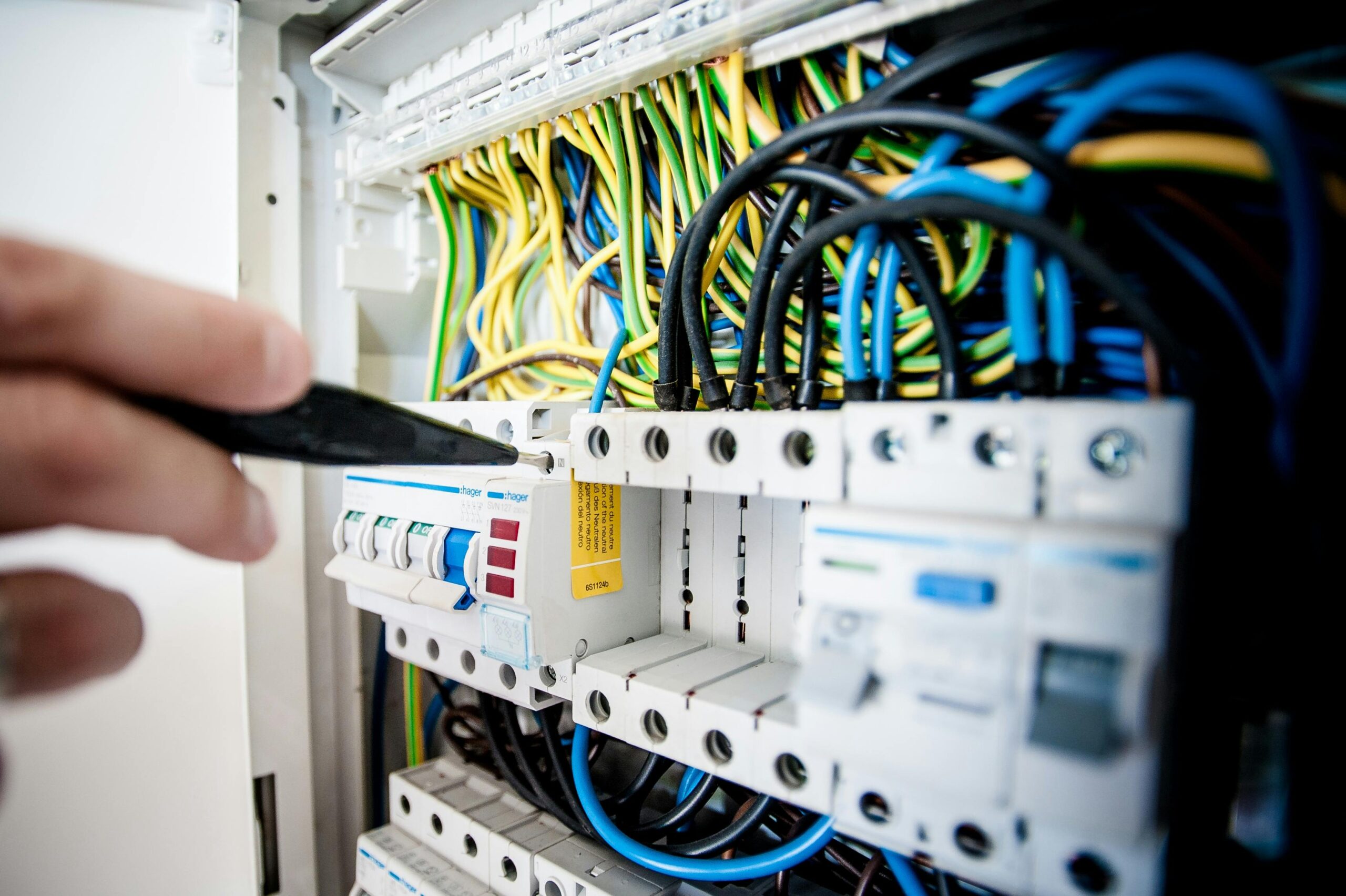
Installed at the electrical panel, these devices protect your entire home from external surges, such as those caused by lightning or grid failures. They provide an extra layer of defense beyond outlet‑level surge protectors.
Comparison Table: Surge Protector Types
| Type | Best For | Protection Level | Additional Features |
| Power Strip Surge Protector | Everyday electronics | Moderate | Multiple outlets |
| UPS System | Computers, servers | High | Battery backup, monitoring tools |
| Whole‑Home Surge Protector | Entire household circuits | Very High | Panel‑level protection |
Advanced Surge Protection Tips
Check Joule Rating and Response Time
A surge protector’s ability to absorb energy is measured in joules. Higher joules mean better protection. A minimum of 1000 joules is recommended for basic electronics, while sensitive equipment should use protectors rated at 2000–3000 joules or more. Response time also matters; faster response times provide quicker protection against sudden spikes.
Replace Surge Protectors Regularly
Surge protectors do not last forever. Each time they absorb a surge, their protective components degrade. It is recommended to replace them every 2–3 years, or immediately after a major electrical event. Some advanced models include indicator lights that signal when protection is no longer active.
Use Surge-Protected Outlets for High‑Value Electronics
Critical or expensive devices, such as gaming consoles, PCs, or medical equipment, should always be protected by high‑quality surge protection gear. You can find recommended models via {{AFFILIATE_LINK}}.
Battery Backup and Power Conditioning
Benefits of a UPS System
A UPS not only protects devices from surges but also provides power during outages. This can prevent data loss, system corruption, and abrupt shutdowns. Many UPS units include built‑in monitoring systems that help you analyze voltage fluctuations and battery health.
Line Conditioning for Sensitive Equipment
Power conditioners offer noise filtration and voltage regulation, ensuring stable and clean electricity. They are ideal for audio equipment, studio gear, medical devices, and high‑precision electronics. While not a substitute for surge protection, line conditioners complement your safety setup by improving power quality.
Practical Home and Office Safety Tips
Label Cables and Organize Equipment
Messy cables increase the risk of accidental unplugging, overheating, and wear. Use cable organizers, labels, and storage solutions to keep your workspace clean and reduce electrical hazards.
Ensure Proper Grounding
Ungrounded outlets leave electronic devices vulnerable to surges and electrical faults. Always verify that wall outlets are properly grounded and have them inspected by a certified electrician if unsure.
Disconnect Electronics During Storms
Lightning-induced surges can travel through wiring and destroy electronics even with protection equipment in place. During severe storms, unplug high-value devices as an added precaution.
Recommended Power Safety Products
- High‑joule surge protectors {{AFFILIATE_LINK}}
- UPS battery backup units {{AFFILIATE_LINK}}
- High-quality grounded extension cords {{AFFILIATE_LINK}}
- Whole‑home surge protector systems {{AFFILIATE_LINK}}
Conclusion
Power supply safety and surge protection are essential for protecting your electronics, reducing fire hazards, and ensuring the longevity of your devices. By using certified equipment, practicing safe electrical habits, and understanding the importance of surge protection, you create a safer environment for your home or workplace. Whether you are managing a complex workstation or simply protecting household appliances, taking proactive steps today helps prevent costly issues in the future.
FAQ
How often should I replace my surge protector?
Most surge protectors should be replaced every 2–3 years or after a major surge event. Some models include indicator lights showing when protection has worn out.
Is a UPS better than a surge protector?
A UPS provides both surge protection and battery backup, making it superior for computers and essential systems. However, surge protectors are more affordable and useful for general electronics.
Can I plug a surge protector into another surge protector?
No. Daisy-chaining surge protectors is unsafe and can overload circuits, increasing fire risk.
Are whole‑home surge protectors worth it?
Yes. Whole‑home surge protectors provide an additional layer of defense against large surges caused by storms or grid issues.
Do surge protectors stop lightning damage?
They reduce risk but cannot guarantee full protection against direct lightning strikes. During severe weather, unplugging devices is the safest option.