
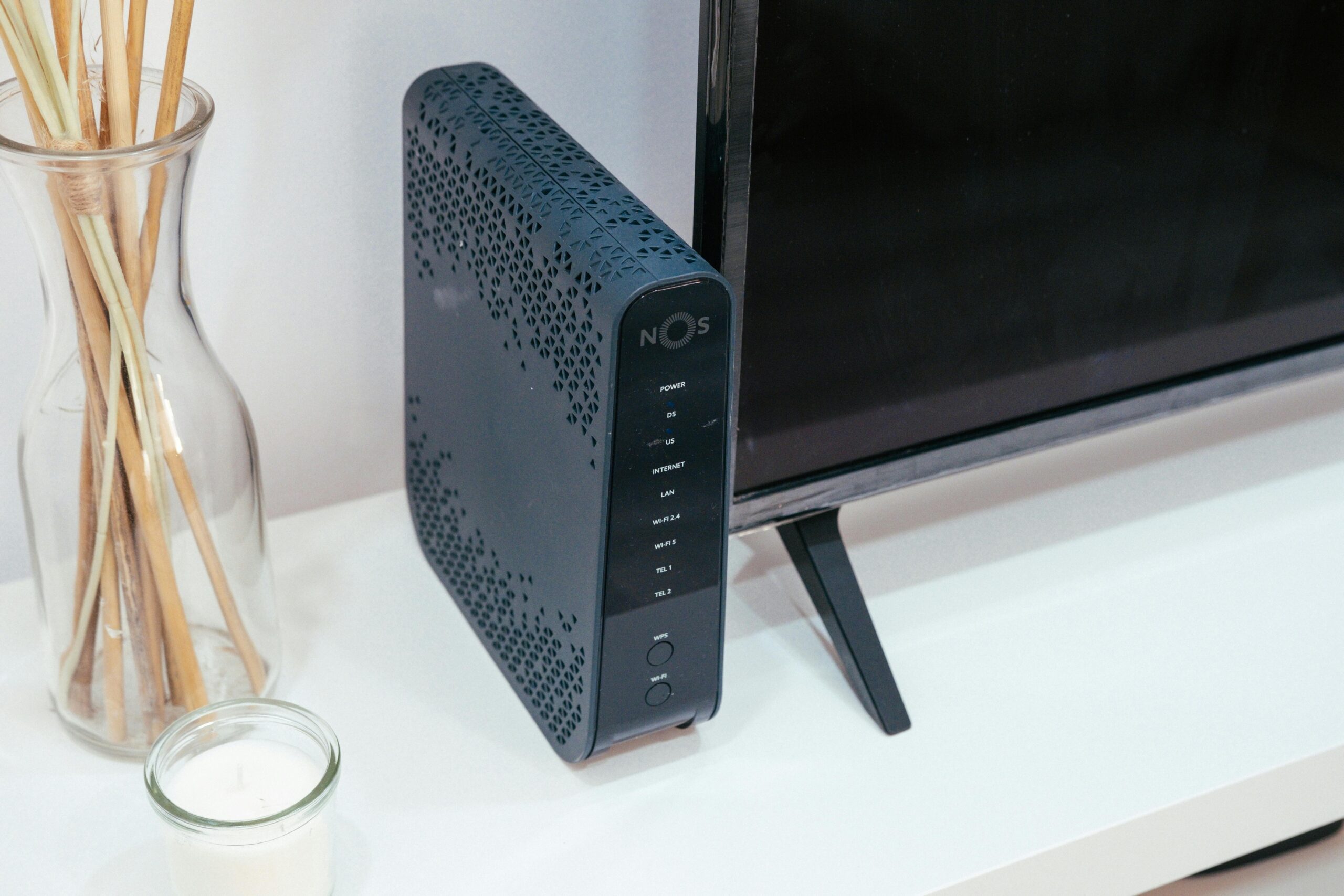
Top Routers for Low-Latency Gaming in 2026
Finding the perfect router is essential for any serious gamer aiming for a lag‑free, ultra‑responsive online gaming experience. With competitive titles demanding split‑second reaction times, the router you choose directly affects ping stability, latency consistency, and overall network performance. In 2026, gaming routers have evolved dramatically, offering advanced QoS engines, multi‑gig Ethernet, WiFi 7 capabilities, and AI‑driven traffic optimization. This comprehensive guide breaks down the top routers for low‑latency gaming in 2026, compares their core features, and helps you choose the ideal model for your setup.
Why Low-Latency Matters for Gaming
Latency, often called “ping,” measures the time it takes for your device to communicate with a game server. Unlike bandwidth—which determines how much data you can transfer—latency determines how fast that data moves. For competitive gamers, even a few milliseconds can create a disadvantage.
How Routers Influence Latency
Your router plays a major role in determining latency through factors such as hardware processing speed, wireless standards, channel selection, QoS prioritization, and interference mitigation. A high‑performance gaming router reduces lag, stabilizes ping, and helps maintain smooth gameplay even on busy networks.
Key Features That Reduce Gaming Lag
- Dedicated gaming QoS engines that reduce jitter and packet loss
- Multi‑gig WAN and LAN ports for wired gaming setups
- AI‑powered interference reduction
- Advanced 6 GHz and 5 GHz bands for cleaner wireless channels
- High-performance antennas for improved range
- Low-latency WiFi 7 (802.11be) with Multi‑Link Operation (MLO)
Top Routers for Low-Latency Gaming in 2026
Below are the leading gaming routers of 2026, selected based on latency performance, reliability, wireless speed, connection stability, and gaming‑optimized features.
1. NetGear Nighthawk XR900 Pro Gaming Router
The XR900 remains one of the strongest gaming routers in 2026, offering best‑in‑class ping reduction through a powerful DumaOS platform optimized for competitive players. It excels in both wired and wireless environments.
- WiFi 7 with MLO for ultra‑responsive connections
- AI‑based ping heatmaps for game servers
- Device bandwidth allocation
- 2× 10G LAN ports + 1× 10G WAN
- Advanced geofiltering technology
Buy here: NetGear Nighthawk XR900 Pro
2. ASUS ROG Rapture GT‑BE11000
The ASUS ROG Rapture line continues to dominate with the BE11000, a WiFi 7 monster router designed for streaming, gaming, and multi‑device households. It offers industry‑leading network stability and ultra‑low response times.
- Breakthrough quad‑band WiFi 7 architecture
- Triple‑level gaming acceleration
- Dedicated gaming port for sub‑5 ms latency
- RGB lighting with status indicators
- High-gain antennas with extended range
Buy here: ASUS ROG Rapture GT‑BE11000
3. TP‑Link Archer GE800 Tri‑Band Gaming Router
The Archer GE800 is an affordable powerhouse router designed for gamers who want strong performance without premium pricing. Packed with WiFi 7 support and solid QoS controls, it’s a smart choice for mid‑to‑high level players.
- AI‑driven traffic prioritization
- Tri‑band WiFi 7 with stable 6 GHz throughput
- Multiple gaming mode presets
- Dual 10G Ethernet ports
- Intuitive gaming dashboard
Buy here: TP‑Link Archer GE800
4. Linksys Hydra Pro BE18000
Linksys continues its tradition of clean design and enterprise-level reliability with the Hydra Pro BE18000. Offering seamless multi‑device connectivity, it’s particularly effective for gamers living with heavy network competition.
- 9.6 Gbps wireless speeds
- WiFi 7 Mesh support for whole‑home coverage
- High-performance chipset with lower packet-processing times
- User-friendly app with gaming QoS
- Strong thermal control for extended peak performance
Buy here: Linksys Hydra Pro BE18000
5. MSI RadiX AXE3000X
MSI continues to expand in networking gear with the AXE3000X, a WiFi 6E‑based router optimized for gaming performance at a lower cost than most WiFi 7 models. It remains a top pick for entry‑level competitive players.
- Dedicated gaming traffic acceleration
- Low‑latency 6 GHz band for high‑speed wireless gaming
- AI‑powered QoS with auto‑optimization
- Elegant RGB design
- Highly stable wired connections
Buy here: MSI RadiX AXE3000X
Comparison Table: Best Gaming Routers 2026
| Model | Wireless Standard | Top Speed | Best For | Main Advantage |
| Nighthawk XR900 Pro | WiFi 7 | 19 Gbps | Competitive gamers | Elite geofiltering & latency control |
| ASUS GT‑BE11000 | WiFi 7 | 18 Gbps | Power users | Triple‑level gaming acceleration |
| TP‑Link GE800 | WiFi 7 | 15 Gbps | Mid‑range setups | Excellent price‑to‑performance |
| Linksys Hydra Pro BE18000 | WiFi 7 | 18 Gbps | Multi‑device homes | Enterprise‑grade reliability |
| MSI AXE3000X | WiFi 6E | 3 Gbps | Budget gamers | Affordable low‑latency performance |
How to Choose the Best Low-Latency Gaming Router
Every gaming setup is unique, so the best router for you depends on your environment, ISP speed, and device usage. Understanding what matters most helps ensure maximum performance.
1. Consider Your Connection Type
If you primarily game on a wired connection, routers with multi‑gig Ethernet ports provide the lowest possible latency. Wireless‑only gamers should prioritize 6 GHz support and WiFi 7.
2. Evaluate Your Home Layout
A large, multi‑story home requires strong antennas or mesh capabilities. For small apartments, compact gaming routers offer excellent results at lower prices.
3. AI and QoS Matter
Modern routers offer advanced AI traffic management that automatically reduces lag by prioritizing gaming packets. This can dramatically improve latency during busy hours.
4. Check for Multi‑Gig Support
With ISPs offering multi‑gig fiber in 2026, having a router that supports 5G and 10G ports ensures your network can scale with your internet speed.
Tips for Reducing Gaming Latency Beyond the Router
Even with a top-tier router, optimizing your network can further reduce ping and improve gaming performance.
- Use wired Ethernet whenever possible
- Switch to 6 GHz for low‑interference WiFi gaming
- Disable background apps and streaming on other devices
- Place your console or PC near the router
- Use QoS to prioritize your gaming device
- Update firmware regularly for peak performance
Related Guides
- Best Gaming Modems for High-Speed Internet
- How to Reduce Lag in Online Multiplayer Games
- WiFi 7 Explained: Do You Really Need It?
Frequently Asked Questions
Is WiFi 7 necessary for low-latency gaming?
No, but it offers major benefits such as Multi‑Link Operation (MLO) and ultra‑low interference on the 6 GHz band. Competitive gamers will see noticeable improvements.
Are gaming routers worth the money?
Yes, especially for online competitive games. Gaming routers provide specialized tools like QoS and ping optimization that standard routers lack.
Can a router actually reduce ping?
Yes. While it cannot fix server‑side delay, a good router minimizes local network latency, packet loss, and jitter.
Should I use wired or wireless for gaming?
Wired is always best. If wireless is necessary, use a 5 GHz or 6 GHz band for the lowest latency.
Do mesh systems work well for gaming?
Modern WiFi 7 mesh systems perform well, but ensure your gaming device is connected to a wired backhaul node when possible.