
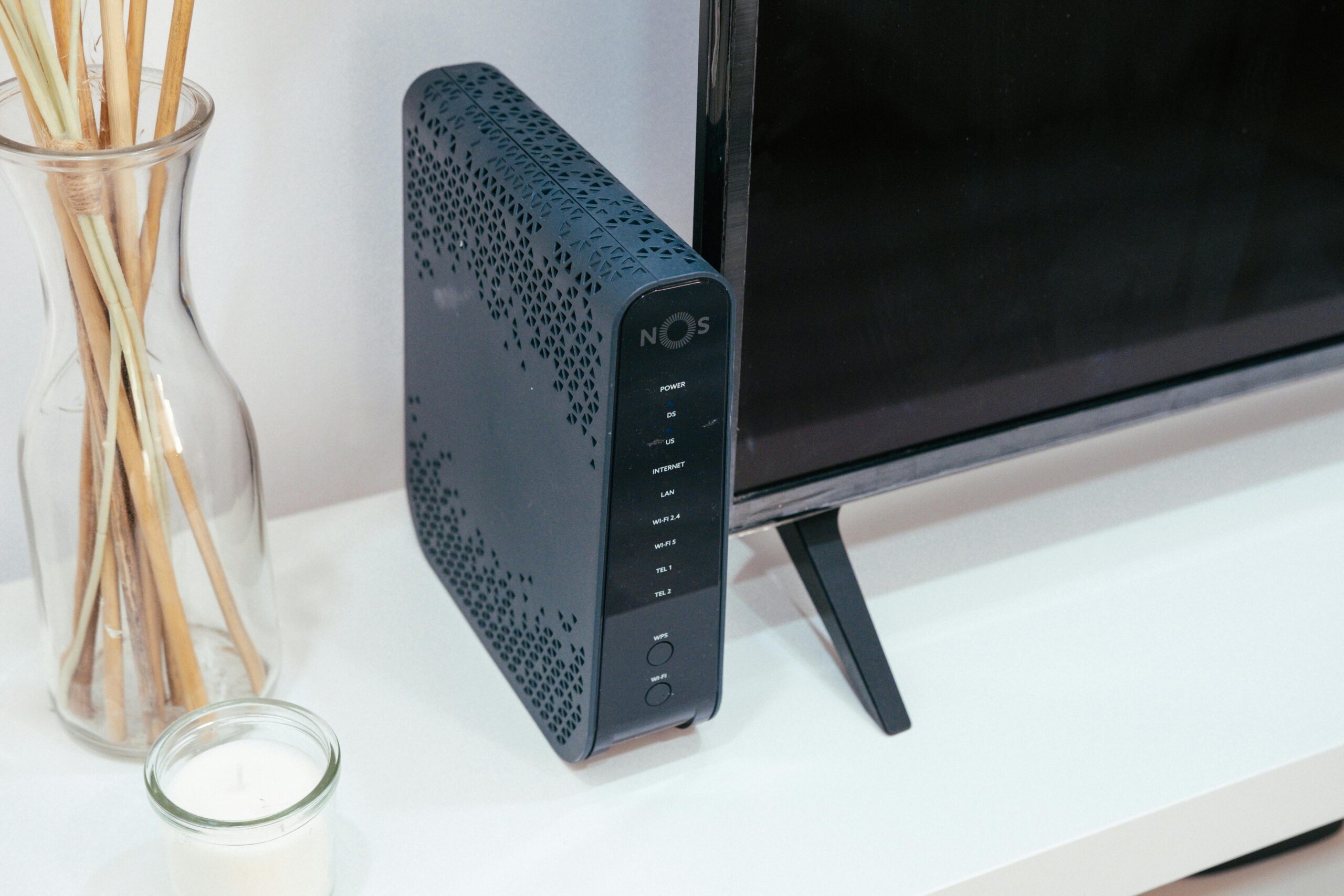
Understanding WiFi 6E: Benefits for Home Networks
What Is WiFi 6E?
WiFi 6E is the extended version of WiFi 6, bringing wireless connectivity into the newly opened 6 GHz spectrum. This expansion offers more bandwidth, less interference, and improved performance for modern households with many devices. With the increasing number of smart home gadgets, streaming platforms, and work‑from‑home demands, WiFi 6E provides a much‑needed upgrade for more stable and faster connections.
The “E” in WiFi 6E stands for “Extended,” reflecting its ability to use the 6 GHz band in addition to the traditional 2.4 GHz and 5 GHz bands. The 6 GHz band features wider channels, cleaner airwaves, and lower latency—making it ideal for ultra‑high‑speed internet usage.
How WiFi 6E Works
WiFi 6E uses the same technical foundation as WiFi 6, including technologies such as OFDMA (Orthogonal Frequency Division Multiple Access), MU‑MIMO (Multi‑User Multiple Input Multiple Output), and Target Wake Time. However, the introduction of the 6 GHz band transforms how these technologies perform by reducing congestion and offering more channel space.
Because the 6 GHz band is new and free from legacy devices, WiFi 6E networks operate with significantly reduced interference. This is especially important in dense environments such as apartment buildings, where many overlapping WiFi signals compete for limited airspace.
Key Benefits of WiFi 6E for Home Networks
1. Access to the 6 GHz Band
The biggest advantage of WiFi 6E is access to the 6 GHz spectrum. This spectrum includes up to fourteen 80 MHz channels and up to seven 160 MHz channels, enabling faster and more reliable data transmission. Wider channels result in higher throughput and lower latency, enhancing high‑bandwidth activities.
2. Faster Speeds
WiFi 6E supports extremely high data rates, especially when using 160 MHz channels. This allows for multi‑gigabit speeds that outperform previous WiFi generations. Streaming 4K and 8K content, downloading large files, and performing bandwidth‑intensive tasks become noticeably faster and smoother.
3. Reduced Wireless Congestion
One major challenge with older WiFi standards is congestion. The 2.4 GHz and 5 GHz bands are crowded with everything from baby monitors to microwaves. The new 6 GHz band, however, is significantly less congested, offering a much cleaner environment for devices that support WiFi 6E.
4. Lower Latency
With fewer competing signals and wider channels, WiFi 6E provides lower latency. This is crucial for online gaming, video conferencing, AR/VR applications, and real‑time communication systems where even small delays can disrupt the user experience.
5. Better Multi‑Device Performance
Modern households often have dozens of devices connected to the network simultaneously. WiFi 6E leverages OFDMA and MU‑MIMO technologies to handle more concurrent connections efficiently. This means smoother performance even when multiple family members are streaming, gaming, or downloading at the same time.
6. Enhanced Security
Devices operating on the 6 GHz band must use WPA3, the latest WiFi security standard. This requirement ensures stronger encryption and improved protection against attacks, giving users greater peace of mind.
WiFi 6 vs. WiFi 6E Comparison
| Feature | WiFi 6 | WiFi 6E |
| Frequency Bands | 2.4 GHz, 5 GHz | 2.4 GHz, 5 GHz, 6 GHz |
| Available Spectrum | Limited | Significantly expanded |
| Channel Widths | Up to 160 MHz | Multiple 160 MHz channels available |
| Interference Level | High in dense areas | Low due to new band |
| Maximum Speed | High | Higher due to cleaner airspace |
Who Should Upgrade to WiFi 6E?
WiFi 6E is designed for users who want top‑tier performance. It is especially beneficial for:
- Homes with high‑speed multi‑gigabit internet plans
- Gamers who demand ultra‑low latency
- Households with many smart devices
- Remote workers who rely on stable video conferencing
- Users of AR/VR headsets and other high‑bandwidth tech
- Large homes needing mesh WiFi systems for full coverage
Devices That Support WiFi 6E
A growing number of devices now support WiFi 6E. Many flagship smartphones, laptops, tablets, and gaming devices include WiFi 6E compatibility. When paired with a WiFi 6E router, these devices benefit from faster performance and better reliability.
If you are upgrading your home network, consider purchasing a WiFi 6E‑enabled router from trusted brands. Here are a few popular router options:
WiFi 6E for Smart Homes
Smart homes depend on stable and widespread wireless connectivity. As the number of smart devices increases, older WiFi networks struggle to handle the load. WiFi 6E provides enhanced performance by spreading devices across three different frequency bands.
High‑bandwidth devices such as cameras, video streaming systems, and smart speakers benefit from the low‑congestion 6 GHz band. Meanwhile, low‑bandwidth devices like sensors and smart plugs can remain on the 2.4 GHz band. This smart distribution helps optimize performance and minimize bottlenecks.
Setting Up a WiFi 6E Network
Upgrading to WiFi 6E is straightforward. First, purchase a router that supports WiFi 6E. Then, ensure that your devices are compatible with the 6 GHz band. Even if some devices do not support WiFi 6E, the router will still improve overall network performance across all bands.
For a complete setup guide, visit our resource: How to Optimize Your Home WiFi Network.
Future of WiFi Technology
WiFi 6E is a major step toward WiFi 7, the next evolution in wireless networking. While WiFi 7 promises even higher speeds and lower latency, WiFi 6E already offers significant improvements for today’s households. Users upgrading now can enjoy a next‑generation internet experience and remain compatible with future advancements.
FAQ
What is the difference between WiFi 6 and WiFi 6E?
WiFi 6E includes access to the 6 GHz band, which provides more bandwidth, faster speeds, and lower congestion compared to WiFi 6.
Do I need new devices for WiFi 6E?
Yes, devices must support WiFi 6E to use the 6 GHz band. However, older devices will still work on the 2.4 GHz and 5 GHz bands.
Is WiFi 6E worth it for gaming?
WiFi 6E offers lower latency and faster speeds, making it an excellent choice for competitive gaming.
Can WiFi 6E improve smart home performance?
Yes. With three available frequency bands, WiFi 6E helps distribute devices more efficiently and reduces congestion.
Is WiFi 6E safe?
WiFi 6E requires WPA3, the latest wireless security protocol, making it more secure than previous WiFi versions.